

Shad on hip-hop future, today and tomorrow
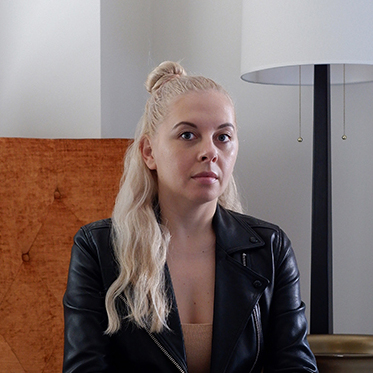
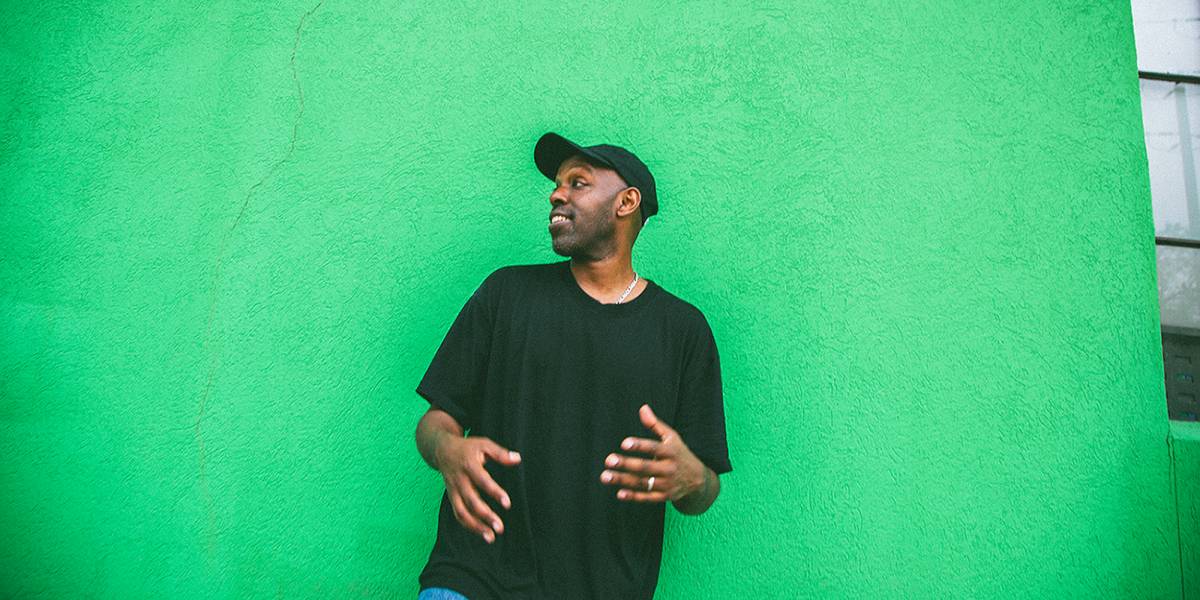
The Canadian hip-hop music scene is alive, and it is vibrant. Whether or not it is thriving can be a subjective question. Shad (Shadrach Kabango) has been here for two full decades, representing, inspiring, and leading the way.
Over the years, he’s gathered a collection of accolades, including the 2011 JUNO Award for Rap Album of the Year, and being the only artist shortlisted five times for the Polaris Music Prize for Canadian Album of the Year. Shad hosted Netflix’s Emmy and Peabody Award-winning series Hip-Hop Evolution and has also been teaching Hip-Hop-related courses at the University of Toronto and Wilfrid Laurier University.
Shad’s latest release, Start Anew, “thematically tackles our collective reluctance to break out of our comfort zones” in both playful yet provoking ways. As a true Canadian, he’s been celebrating the record with live shows across the country, concluding with a sold-out performance at Toronto’s Mod Club on February 21st.
Kateryna Topol: Hello Shadrach, how is your day going?
SHAD: I’m well, thank you. You’re catching me at home in Toronto, just upstairs in my little office, looking out at a snowy but sunny day.
KT: There have been a lot of those in Toronto. Your Canadian tour for Start Anew began January 17th – how are the first few days going?
SD: It’s been awesome. I’ve felt a lot of love and support. There’s been a lot of fun moments of connection, too. I like to stop the show from time to time and just chat with people in the audience and some cool moments have come out of that. One young woman in BC, for example, told me her dad brought her to one of my shows when she was a baby, and now she’s 19, jamming in the front row at one of her first concerts as an adult. Someone in Hamilton gave me a special fanzine he made for me on stage. Moments like that, between songs, have been special. And then just the good, high-energy vibes overall. It’s been encouraging for me and hopefully a positive experience for the audiences.
KT: Those sound like wonderful tour moments! Congratulations on your latest releases, Start Anew record and “Rain” music video, stellar work. The “Rain” collaboration seems like a spontaneous one – how did you and Sam Tudor first meet?
SD: Thanks. Sam and I have a lot of people in common. He reached out ahead of the Dawson City Music Festival that we were both playing and asked if I’d be interested in making a video up there. I was all in. It just felt like a great opportunity to create something unique for both of us. I love the video and it’s a great memory for me too.
KT: Very cool. You have quite an impressive music career – how did it all begin?
SD: If I were to go way back, when I was like 6 or 7 years old, my best friend and I would make up raps and skits and perform them in front of our school. No one asked us to, it was just what we did for fun. We liked to write funny, weird, hyperbolic stories and songs and perform them. There were a lot of years after that growing up when I was more into sports or whatever my peers were doing, but I think we tend to find our way back to who we fundamentally are. At least that’s what happened for me.
KT: You studied business and art in university – was there any formal music education?
SD: No. I took Grade 10 music in high school, but I was terrible. Played percussion and was relegated to crash cymbals. And then I took 5 or 6 singing lessons in my mid-30s. Also pretty bad at that. That’s the extent of my formal music training.
KT: Fair enough. Early in your career, you also won the 91.5 The Beat’s Rhythm of the Future talent competition, one of many more awards to come, but was that the one that helped you get your music career off the ground?
SD: Correct, yeah. That allowed me to record my first album because the winners got money to go towards that. It was just a little independent CD, but it allowed me to start to get out there, play shows, and eventually get signed and make more music.
KT: Amazing. And fast forward to now, you’ve become an educator yourself, designed and taught Hip-Hop-related courses at both the University of Toronto and Wilfrid Laurier University – is that something you are still doing in 2026?
SD: Yes, I’ve had the chance to teach a couple of courses this year, which I enjoy. I’m not as good at teaching as I’d like to be, but I have a passion for encouraging younger people, sharing what I’ve learned about music, and most of all, sharing what I’ve learned about life.
KT: I’m sure the students appreciate your insight. What have you learned about music, past and future, working with the youth at the university?
SD: One thing that’s been encouraging to see in students is that they seem hopeful. They are facing a lot of challenges that I didn’t face at their age, but they don’t seem discouraged to me. I love that.
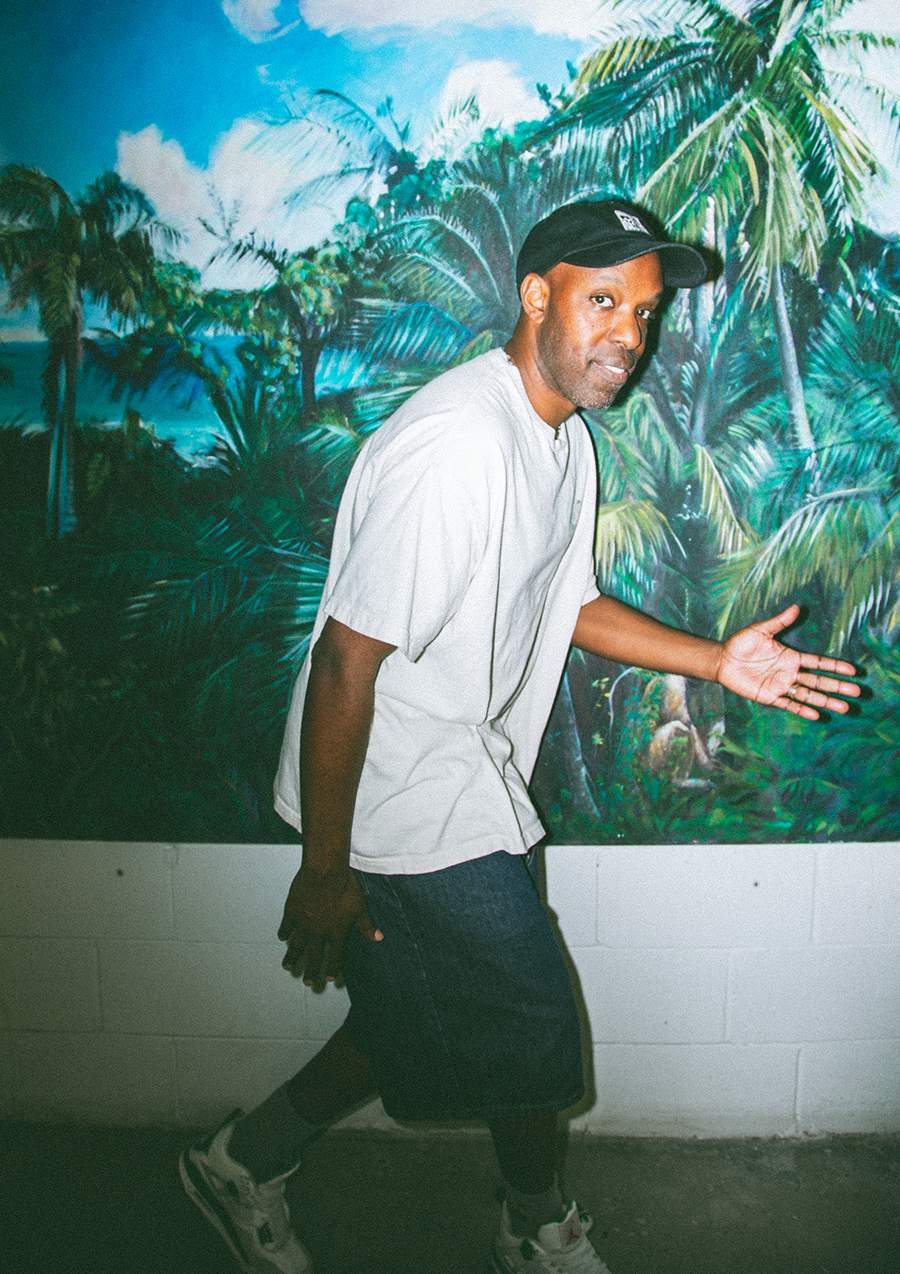
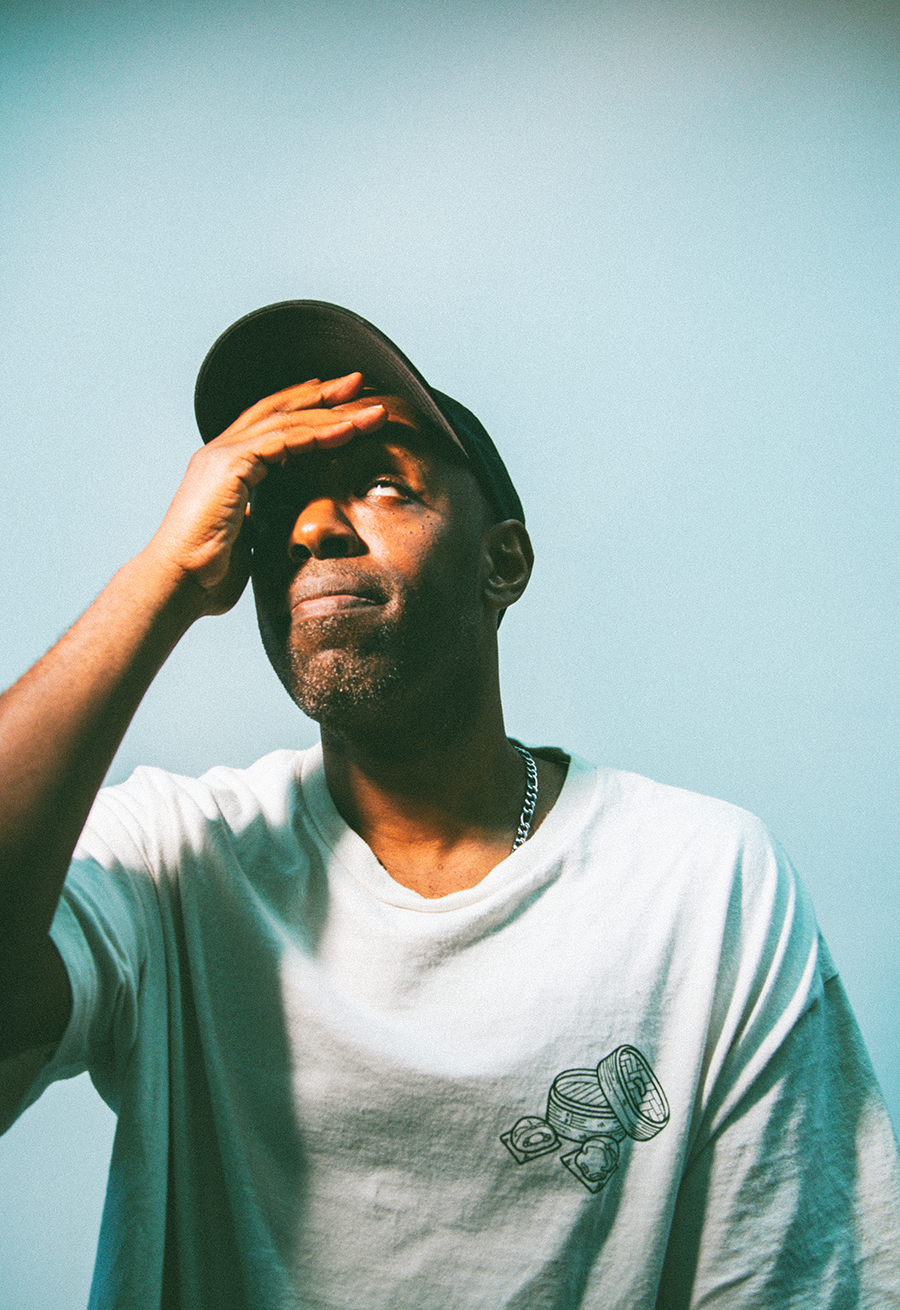
All images by Justin Broadbent.
KT: You’ve also worked on Netflix’s Hip-Hop Evolution series, a huge contribution to the culture, needless to say. Looking back at the Canadian hip-hop scene, has it changed a lot?
SD: The biggest change is obviously Drake removing the ceiling for Canadian rappers. Tory Lanez, Smiley, and a couple others, have gone through that door. But still not very many. Not enough. I think there’s some things that haven’t changed about our self-perception, even in the wake of all that success. Canada has a long history with hip-hop and world-class talent but I think we still have a problem with support–from both industry and fans.
KT: I tend to agree. And as a follow-up, in your opinion as the leading voice in hip-hop, how do you think Canada’s music future looks like?
SD: I’m not sure, but one thing I have observed in my 20 years doing this is that change in the industry is frequent and profound. Every 3 years or so, there seem to be dramatic changes. If I had to guess at what’s around the corner, I would say the independent music scene is coming back in a big way but in a new way: Artists already are increasingly less focused on blowing up on streaming services and more concerned with building sustainable, quiet careers where they connect deeply with a small audience that supports them in a variety of ways. Much like the early 2000’s, but now with a few new tools.
KT: Interesting! And what’s next for you, after the tour, in 2026?
SD: We’ll see! I’m excited to see what kinda comes out of me next. This last album felt like the completion of a thought I’ve had for the last 8-9 years. It feels nice to be done trying to convey that and have more space to feel out what’s next.


You may also like
Indy Fontaine talks new music, tropical roots, and her breakout chart moment

Sour Beat is bringing mosh pit energy to Latin Music

For GIULIA BE, storytelling comes first and in three languages
Anna Graves on healing and finding her way back home
From competitors to bandmates with Beau Nectar

BLONDETING on supporting women in DNB and making music from scratch